Nagaland University researchers have proposed a comprehensive approach to mitigate human-tiger conflicts in Uttarakhand, integrating ecotourism, community involvement, and geospatial technology. The study emphasizes the escalating conflicts, attributed to ecological degradation, climate change, and anthropogenic pressures, which have become increasingly severe in recent years. It advocates for urgent coordinated actions that combine ecological conservation efforts, technological monitoring, and active participation from local communities, aiming to prevent further deterioration of human-tiger relations and to promote sustainable coexistence between humans and wildlife.
Uttarakhand, noted for its rich biodiversity and notable tiger population, is experiencing a rise in human-tiger interactions due to factors like habitat degradation, human encroachment, and increased pressure on natural resources. These conflicts have led to significant repercussions, including loss of life, livestock damage, and heightened anxiety among local populations, particularly in the districts of Pauri, Almora, and Nainital.
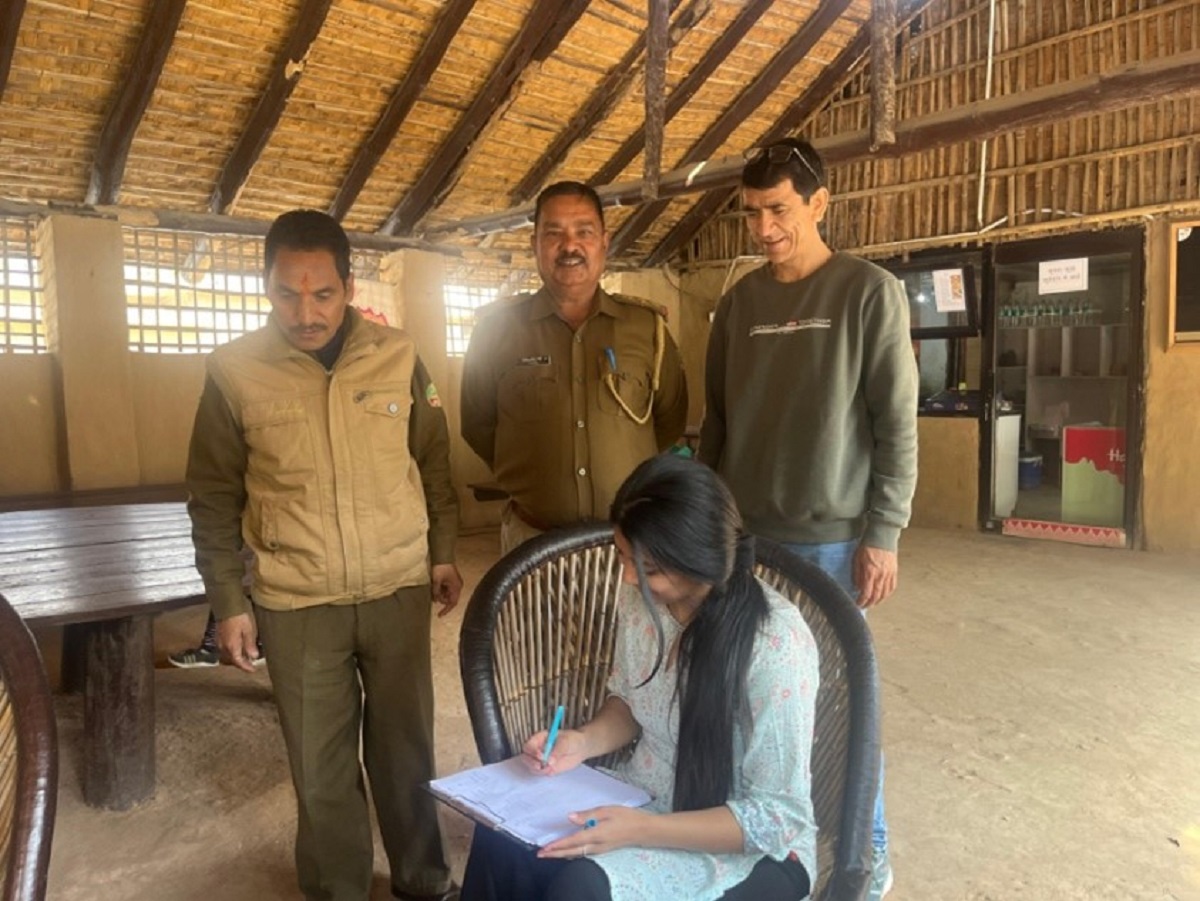
The research specifically examines the eastern transitional buffer zone of Jim Corbett National Park, focusing on the Ramnagar area and nearby villages. The study analyzes spatiotemporal trends in human-tiger conflicts over three decades (1991–2025) by utilizing two Geographic Information System (GIS)-based modules: one focusing on ecological dynamics and the other on human-tiger conflict dynamics. Through this analysis, four categories of human-tiger conflict risk zones were identified: low, moderate, high, and very high.
Prof. Jagadish K. Patnaik, Vice Chancellor of Nagaland University, praised the study for its identification of community-based ecotourism as a viable strategy to manage human-tiger conflicts, stating that it can diminish reliance on forest resources, improve local livelihoods, and foster coexistence with wildlife. He noted that this type of research illustrates the university’s dedication to addressing critical environmental issues with practical and community-oriented solutions. The findings of this research were published in the International Journal of Environmental Monitoring and Assessment, a reputable peer-reviewed journal focused on environmental monitoring systems and pollution risk assessment.