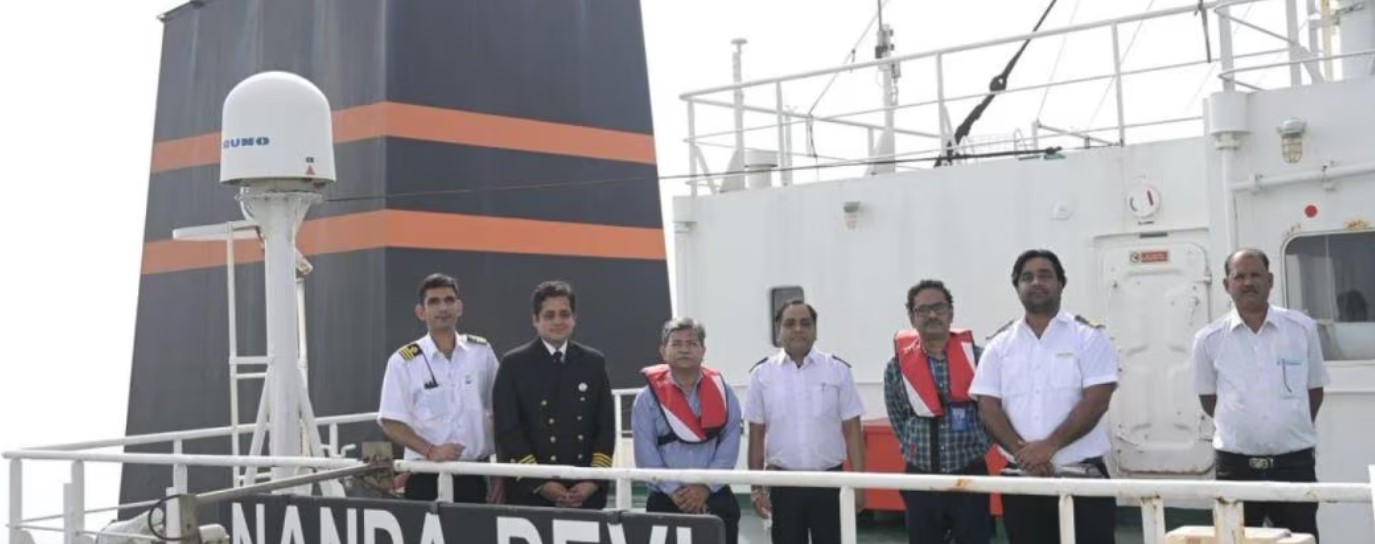
In a major relief for millions of households facing supply uncertainties, the Indian-flagged vessel Nanda Devi successfully docked at Vadinar Port in Gujarat on Tuesday, March 17, 2026, after a high-stakes transit through the volatile Strait of Hormuz. Carrying 46,500 metric tonnes of Liquefied Petroleum Gas (LPG), the carrier arrived amid a deepening energy crisis in India, where a 17.7% slump in LPG consumption was recorded in the first half of March due to regional conflicts in West Asia. This shipment follows the arrival of another carrier, Shivalik, just a day prior, collectively injecting nearly 90,000 tonnes of gas into the national supply chain. The safe passage of these vessels was made possible through an unprecedented diplomatic and military coordination involving the Indian Ministry of Ports, the Shipping Corporation of India, and the navies of both India and Iran, ensuring that critical energy lifelines remained open despite the effective blockade of the world’s most sensitive maritime chokepoint.
Upon its arrival at 2:30 a.m., the Nanda Devi immediately initiated a ship-to-ship transfer to the “daughter vessel” MT BW Birch to expedite distribution to the eastern coast, specifically the ports of Ennore and Haldia. Deendayal Port Authority Chairman Sushil Kumar Singh emphasized that the Ministry has mandated “top priority” handling for all incoming LPG tankers to eliminate any procedural bottlenecks and stabilize the domestic market. The government has also implemented aggressive anti-hoarding measures and a 28% increase in domestic refinery production to counter the supply disruptions, which had previously forced commercial establishments like hotels to scale back operations. While the crisis led to a temporary spike in LPG prices and triggered panic-booking across major cities, officials have reassured the public that these successful voyages, combined with the diversification of imports from nations like Russia and the United States, are effectively neutralizing the threat of a prolonged “dry-out” at local distributorships.
As the discharge process continues at a rate of 1,000 tonnes per hour, the focus remains on the safety of the remaining 22 Indian-flagged vessels and over 600 seafarers still operating within the Persian Gulf. The successful docking of Nanda Devi serves as a testament to India’s resilient maritime strategy and its ability to secure energy interests even under the shadow of a global conflict. With household refill bookings now showing a downward trend from peak panic levels, the arrival of this massive consignment is expected to restore normalcy to the cooking gas supply chain within the week. For now, the government continues to urge consumers to opt for digital bookings and avoid hoarding, as more energy shipments, including a major crude oil tanker from the UAE, are slated to reach Indian shores in the coming days.