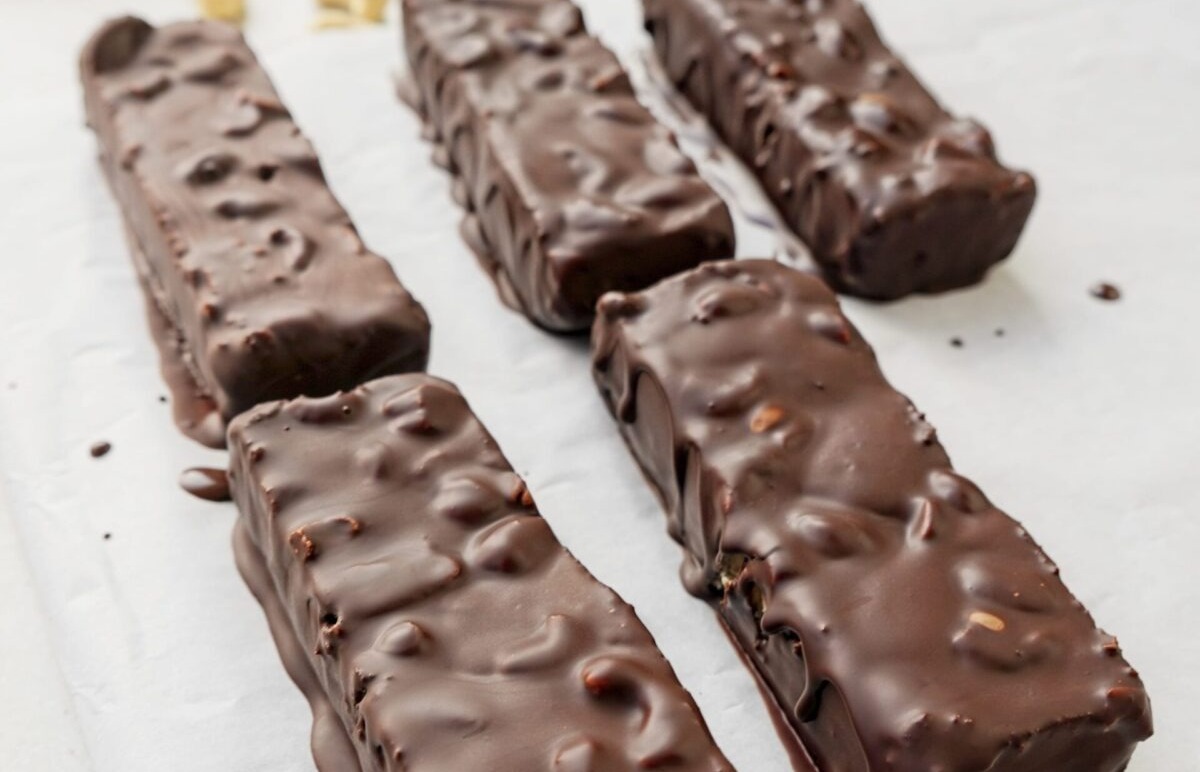
Protein bars, often promoted as healthy snacks, can be misleading due to added sugars, bad fats, artificial additives, and high calories, potentially compromising fitness or weight loss goals.
Some protein bars have up to 20 grams of sugar per serving, which is as much as a chocolate bar. Choose bars that contain no more than 5–8 grams of sugar, ideally from natural sources like dates or honey. In addition to adding useless calories, too much sugar raises blood sugar, which causes cravings and energy slumps. Seek out bars that list high-quality protein sources such as brown rice protein, pea protein, and whey protein isolate. Steer clear of bars that use “hydrolyzed collagen” as their primary protein source because they offer insufficient amino acid profiles and are less useful for repairing damaged muscles.
At least 3–5 grams of fiber should be included in a healthy protein bar to aid with digestion and prolong feelings of fullness. Low-fiber snacks can cause overeating later in the day since they could not satiate your hunger. Oats, chia seeds, and inulin are excellent indicators. With 300–400 calories, some protein bars are more calorically dense than a small lunch. Aim for a bar with 150–250 calories if you’re using it as a snack. Higher-calorie bars are not appropriate for casual snacking, but they may be appropriate for athletes or as a meal replacement.